
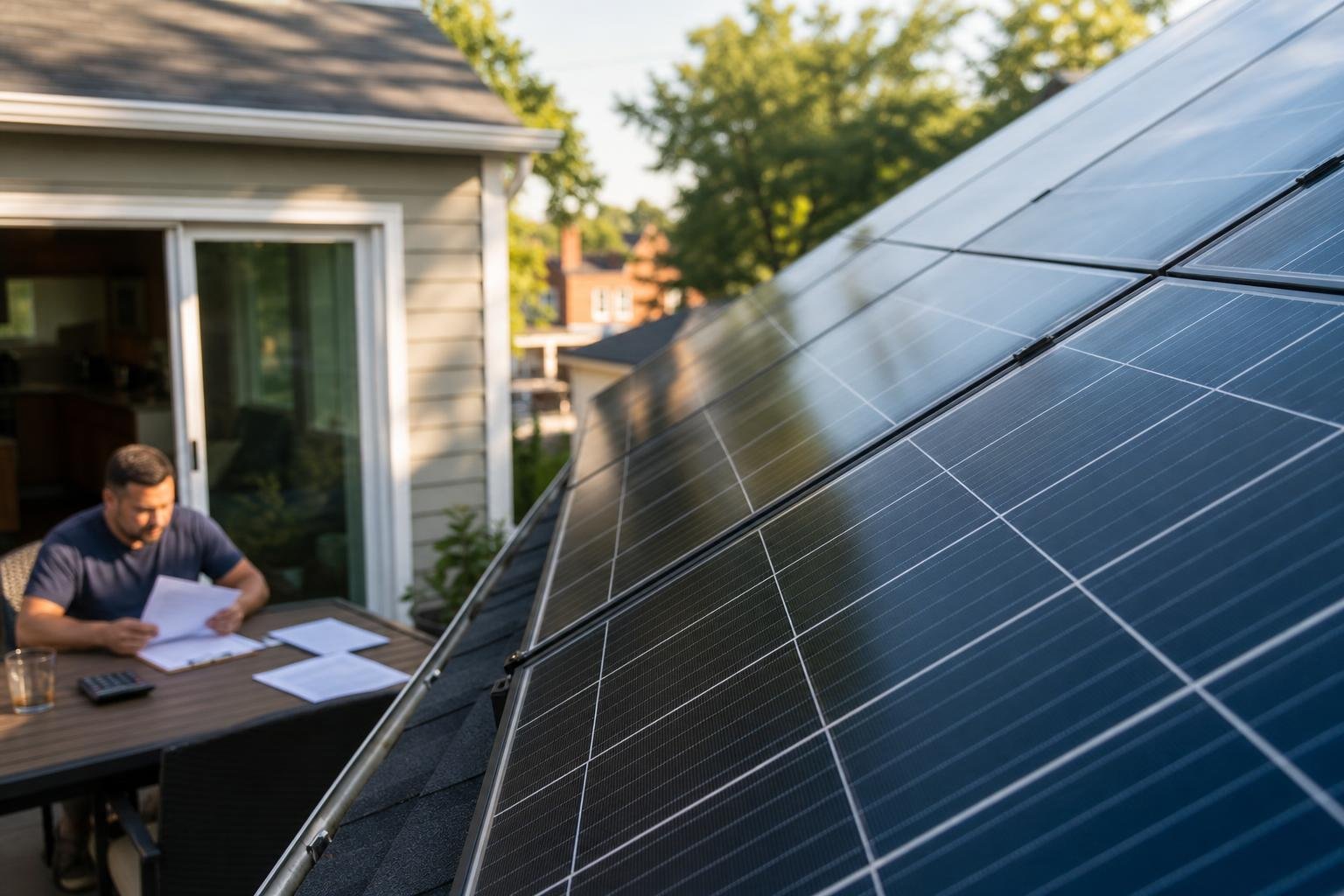
Solar Incentives in Paterson, NJ
Learn which solar incentives Paterson homeowners usually review first, how New Jersey program structure affects quotes, and what to confirm before relying on projected savings.
Incentive rules and utility treatment can change, so final eligibility should always be confirmed before you sign.
The Main Solar Incentives to Review in Paterson
For Paterson homeowners, the first incentives to review are usually the federal Residential Clean Energy Credit, New Jersey's Successor Solar Incentive program, sales tax treatment for qualifying solar equipment, and the state's property tax treatment for eligible renewable energy improvements. Together, these are often the starting point for understanding how a proposal is priced and how long-term value is presented.
Federal and New Jersey Tax Considerations
The federal Residential Clean Energy Credit is the national incentive most homeowners ask about first. It is generally tied to eligible installation costs for owned residential systems, but the exact tax outcome depends on personal eligibility and tax situation.
In New Jersey, homeowners also commonly ask about sales tax exemption treatment on solar equipment and whether a qualified system changes property tax assessment. Those state-level items can materially affect how total project cost is viewed, even when they are not shown as a direct rebate check.
Performance Incentives and Utility Bill Credits
New Jersey's Successor Solar Incentive program is a key part of the conversation because it is tied to how a residential system may generate value over time rather than simply lowering the upfront price. Quotes should explain whether that program value is being estimated conservatively and who receives it under the ownership structure offered.
Utility billing treatment matters too. Net metering or other bill-credit rules can vary by utility territory and current policy, so Paterson homeowners should confirm how exported power is expected to be credited on their specific account before relying on a savings projection.
Why ownership structure matters
A careful quote should separate firm facts from assumptions. That means identifying which incentives are based on published programs and which savings estimates depend on production, usage, utility billing, or future policy conditions.
It is also worth checking whether the proposal assumes an owned system, loan, lease, or power purchase agreement, since incentive value and bill expectations are not presented the same way in each structure.
A careful quote review can help you see how incentives are being handled, what assumptions are built into savings estimates, and whether the ownership structure fits your goals.
How Incentives Interact With Financing
Cash purchase
With a cash purchase, homeowners usually focus on total installed cost, long-term system value, and whether they can personally make use of available tax benefits.
Solar loan
Solar loans can reduce upfront cost, but the proposal should show payment structure, ownership terms, and whether incentive assumptions depend on the homeowner claiming them directly.
Lease or PPA
Low-upfront options can be worth reviewing, but they should be compared carefully because third-party ownership may change who receives tax-related benefits and how savings are presented.
Storage considerations
Battery storage may qualify for federal incentive treatment in some cases, but storage value also depends on outage concerns, usage patterns, and the specifics of the proposed system.
What Documents Should Homeowners Keep
Keep signed agreements, invoices, proof of payment, equipment details, permit records, and any utility or program approvals connected to your system. Good records make it easier to review tax filing questions and respond if a program administrator asks for backup.
If you are comparing multiple quotes, ask each company how they document incentive assumptions and what paperwork they provide after installation. That can matter just as much as the equipment list when you are trying to verify the value of a proposal.
Solar Incentive Questions Paterson Homeowners Ask
What solar incentives should homeowners in Paterson review first?+
Paterson homeowners often start by reviewing the federal Residential Clean Energy Credit, New Jersey sales tax treatment for solar equipment, property tax treatment for qualified systems, and the state Successor Solar Incentive program structure. Utility billing rules should also be confirmed for the specific account and service territory.
Do solar incentives apply if I finance the system?+
They often can, but the structure matters. Incentives tied to ownership generally apply differently for owned systems than for leases or power purchase agreements, so ask exactly who receives the benefit in the proposal you are reviewing.
Do leased systems and owned systems get the same incentives?+
Not always. New Jersey program value can depend on system performance, utility billing treatment, and whether the system is owned directly. The quote should explain the ownership structure clearly before you assume any incentive benefit.
Will solar eliminate my electric bill?+
Usually no. Solar can reduce the energy portion of a bill significantly for some homes, but minimum charges, utility fees, seasonal usage, and billing rules still affect the final result.
What paperwork should I keep for solar incentives?+
Save contracts, invoices, proof of payment, equipment specifications, permit paperwork, interconnection documents, and any program enrollment records tied to the system.
Ready to Compare Incentive-Aware Solar Quotes?
Once you understand the major incentives and ownership tradeoffs, the next step is comparing quotes that explain them clearly.